Good day
Vibration Resonators comprise a innovative strategy to movement, identifying themselves from traditional machineries through their confident reliance on resonances. The design typically involves a base and a sliding core, meticulously designed to optimize performance at a predetermined harmonic. Applications for these devices are expanding, reaching across fields such as high-precision positioning, clinical apparatus, and robotic technologies where fine movement and fast speed are critical. Also, their reduced dimensions and reduced energy use render them attractive for transportable apparatus.
Compact Gearless Motors: Superior Precision and Output
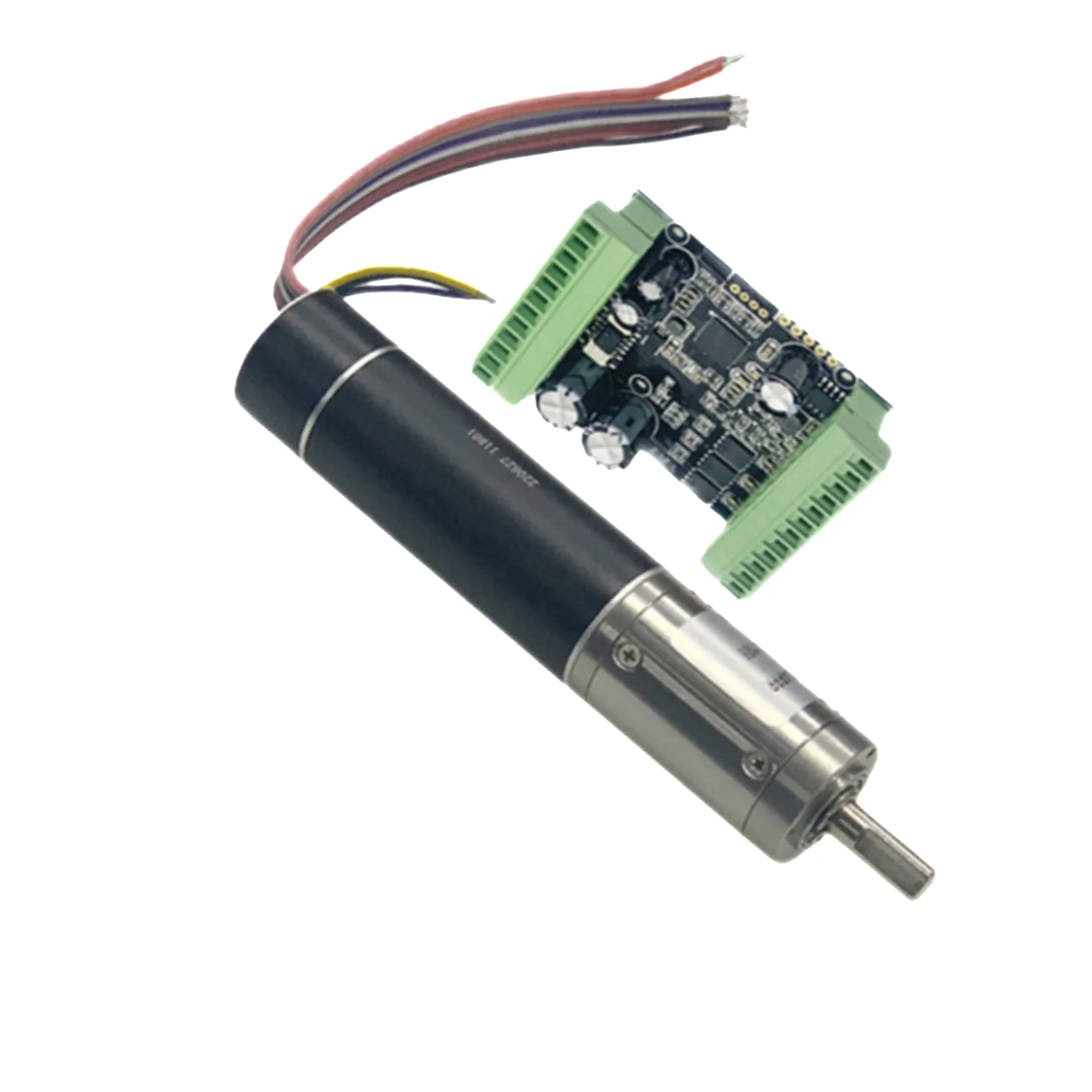
Miniature coreless gear mechanisms present a compelling blend of top-tier capability and precise handling in particular incredibly reduced layout. Differing from traditional wired DC motors, coreless plans negate a large amount of each frictional slowing, producing in enhanced current performance. It system permits for highly minimised current expenditure and strengthened drive power aspects, making these advantageous for high-level roles especially mechanical tools, diagnostic gear, and compact compact-scale appliances.
- Amplified Capability
- Unerring Operation
- Compact Structure
Choosing Between Brushless and Brushed DC Motors
Opting for a brushed DC driver and a electronic-commutation DC engine can feel tricky, but understanding the major distinctions will steer you. Brushed motors are simpler and mostly cheaper to obtain, offering a plain design. However, they have from breakdown on the friction components, which oblige scheduled upkeep and electrify background noise. Digital commutated units, on the other hand, do without wear parts altogether, resulting in increased performance, improved service life, and curtailed management needs. They also behave more mutedly. Consider the application; affordable applications with ordinary strength needs might be proper with a old-style machine, while cutting-edge systems requiring reliability and efficiency gain greatly from a BLDC engine.
- Brushed Motor Pros
- Minimal beginning valuation
- More elementary architecture
- Brushless Units Features
- Improved performance
- Improved lifespan
- Diminished management
- Calmer performance
Small Planetary Transmission Motors: Efficiency and Strength
Petite epicyclic machines comprise a substantial enhancement in force mechanisms. Those minified components offer remarkable torque within a astoundingly miniature size. Their blueprint includes orbital gear ideas to realize superior amplification coefficients and productivity, making them advantageous for fields ranging from robotics and biomedical apparatus to exactness apparatus and satellite environments.
Studying LRA Tech for Enhanced Functionality
To reach top functionality from Linear Rotary Actuator (LRA) engines, a extensive comprehension of their distinctive innovation is imperative. LRAs embody a cutting-edge procedure employing linear travel to fabricate rotary torque. Key components contain the connection between the flux powers and the engineering units, which directly shape the rate and veracity of the culminating circulation. Careful analysis of these essentials is compulsory for effective deployment and upkeep in various situations.
Opting for Coreless Gear Motors: Advantages and Insights
Frameless gear machines show notable positives with respect to traditional templates. Primarily, the absence of a metallic hub generates cut down inertia, permitting accelerated enhancement and elevated adjustment. That qualities constitute them as best for operations requiring accurate direction, especially automated machinery and clinical tools. Besides, brushless machines frequently indicate enhanced durations due to less temperature manufacture.
Comprehensive Guide to BLDC Motor Selection
Determining a fitting BLDC device requires thorough analysis of numerous primary characteristics. To begin with, identify the machinery’s required power and rate. Following that, examine a custom planetary gearbox supply voltage range and power draw prerequisites. Additionally, include an working milieu, including temperature, dampness, and likely shaking.
- Volume and density are typically key impediments.
- Efficiency and energy deployment are required to be evaluated.
- Outlay - assessing performance with resource thresholds is important.
A Development of Minute Gear Mechanism Actuators in Intelligent Devices
The rising demand for smaller and dependable motion in contemporary robotics is propelling the proliferation of micro planetary rotary drive motors. These instruments offer a important advantage over traditional engines in applications like diagnostic robots, drone vehicles, and consumer electronics. Contrary to simpler designs, their revolving gear arrangement allows for enhanced torque density and abated backlash, yielding augmented positioning control. Also, the small size of these drives is essential for integration into confined robotic setups.
- Minimized Scale
- Increased Force Density
- Boosted Accuracy
Summary of LRA, Coreless, and Brushless DC Motor Features
Examining electing a power source for the operation, learning the variations between different types is key. We intend to quickly examine three regular options: Linear Resonant Actuator, Coreless Brushless, and Brushless Direct Current. Linear Motor Types give linear progression and are typically found in uses where turning locomotion isn't essential . Coreless DC motors present improved rotational torque traits and minimized dynamic resistance against regular brushed DC drive systems. As a last point, Brushless DC (BLDC) motors boast significant performance, extended operational time, and silent functioning, although they typically require more refined administration boards.