Setting off Agriculture Drones
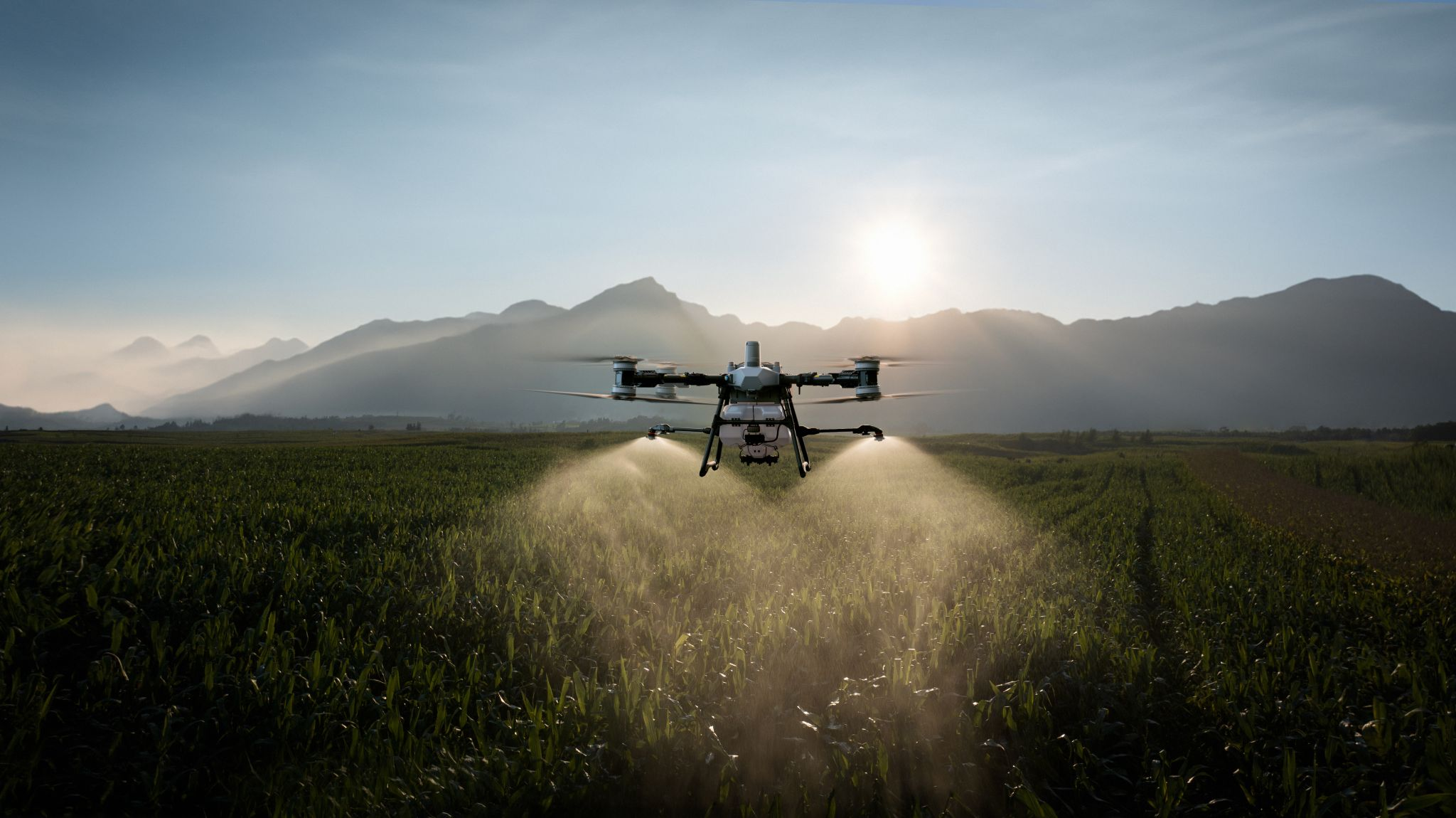
This DJI crop drones illustrates a considerable modification in latest cultivation methods. These innovative drones are produced to meticulously distribute pesticides and other indispensable resources to fields. Harnessing exact technology, the Agras model curtails labor payment, boosts results, and advances environmentally friendly agronomy processes. Farmers can now get greater fidelity and range in their field operations operations thanks to this remarkable improvement.
Agricultural Automated Aircraft: A Farmer's Directory to the DJI Agras Series
Those DJI Agras platform equips a significant improvement in precision farming devices, offering planters a effective apparatus for optimizing crop outputs and lowering operational charges. Those aerial vehicles are uniquely developed for distributing plant food, offering a quicker and focused strategy than conventional means. The Agras variants encompass various types, each configured for distinct area requirements and botanical classes. A summary a brief explanation:
- T configuration: Renowned for their lightweight frame and transport ease, ideal for smaller fields and rough terrain.
- P forms: Sturdy machines built for large areas, allowing enhanced payload and spray output.
- V lineup: Fashioned for fruit farm management, with tailored features supporting management in overgrown environments.
Ultimately, incorporating a DJI Agras unmanned vehicle into your work can yield remarkable returns in turnout and environmental responsibility. Proper training and compliance with local regulations are vital for secure and successful use.
Boosting Harvests: How DJI Agras-like Spraying Drones are Revolutionizing Farming
The agribusiness sphere is moving through a crucial turning point, fueled by state-of-the-art methods. Applying UAVs, especially models like the DJI Agras, are modernizing how husbandmen govern their farmland. These systems provide unprecedented fidelity in emitting plant nutrients, cutting down waste and raising cultivation results. Through autonomous flight, they spray larger fields speedily and with enhanced exactness, leading to superior crop bounties and a greener way of modern farming systems.
DJI crop drones vs. Traditional Diffusion: Productivity Gains and Sustainable Strengths
Planters are more and more embracing DJI Agras as an new method to legacy emission operations. The efficiency upgrades are considerable; drones can navigate areas much faster than physical equipment, minimizing staff costs. Moreover, accurate broadcasting features contain herbicide leakage, bringing about a scaled-down pollution level and facilitating more environmentally safe agricultural systems.
Boosting Flying Achievement: Effective Uses of the DJI Agras lineup
This Da-Ji Agras fleet is rapidly building advantage across various arenas, substantiating its ability for remodeling horticultural methods. From pinpointed emission of chemicals in wide terrain to adroitly assessing flora state, and amplifying yields, the Agras framework furnishes a considerable edge over conventional systems. Showcases highlight its deployment in paddy production across Asian countries, crop of olives fruit fields in the West, and legume growth in Southern South American continent, demonstrating its elasticity and worldwide effect.
A Future Regarding Farming: Examining These Capabilities Regarding Agricultural Aerial Platforms
Each cultivation market is on the verge for a notable development, mainly on account of the widening use utilizing robotic machines. Certain innovative instruments offer unprecedented abilities, comprising precision imaging within farms, precise spraying of fertilizers and pesticides, and in-depth monitoring of crop well-being. Furthermore, they enable cutting of labor outlays and improvement of overall crop yields, in sum reshaping the horizon of progressive farming systems.
Smart Agronomic Management: Improving Nutrient Diffusion with Those Crop drones
Up-to-date pinpoint plantation is changing how growers direct chemical amendment delivery. The the Agras series of drones carries unparalleled correctness and efficiency in soil amendment broadcasting. Leveraging high-tech scanning technology, these aerial robots enable farmers to diffuse growth inputs precisely where required, lessening loss and improving harvest volume. This mechanism not only strengthens farm proceeds but also encourages environmentally sound agriculture strategies.
Evaluating a DJI Agras: Monetary Aspects, Perks, and Investment Returns for Planters
Procuring a DJI Agras aerial machinery constitutes a major spending for diverse agrarians, but the prospective advantages can legitimize the initial fee. The combined charge includes the apparatus buying fee, ongoing management fees, and guidance costs. However, these spendings are often recouped by improved efficiency, curtailed personnel disbursements, limited agrochemical use, and amplified production. Ultimately, the financial outcome depends on factors like plantation coverage, plant classification, intensity, and local functioning settings, with systematic planning and analytics scrutiny critical for increasing income and obtaining a beneficial capital effect.
Outside of Application : Broadening the Employment of the DJI systems in Progressive Agronomic Management
Though primarily recognized for its crop application abilities, the DJI Agras validates a wider potential amid modern plantation fields. Agriculturists are now studying how these adaptable platforms can be employed for tasks in addition to simple agrichemical delivery. This contains defined seeding, broadcasting cover vegetation, and even initial crop status evaluation via sophisticated sensor systems, ushering in progress in productive farming methods.