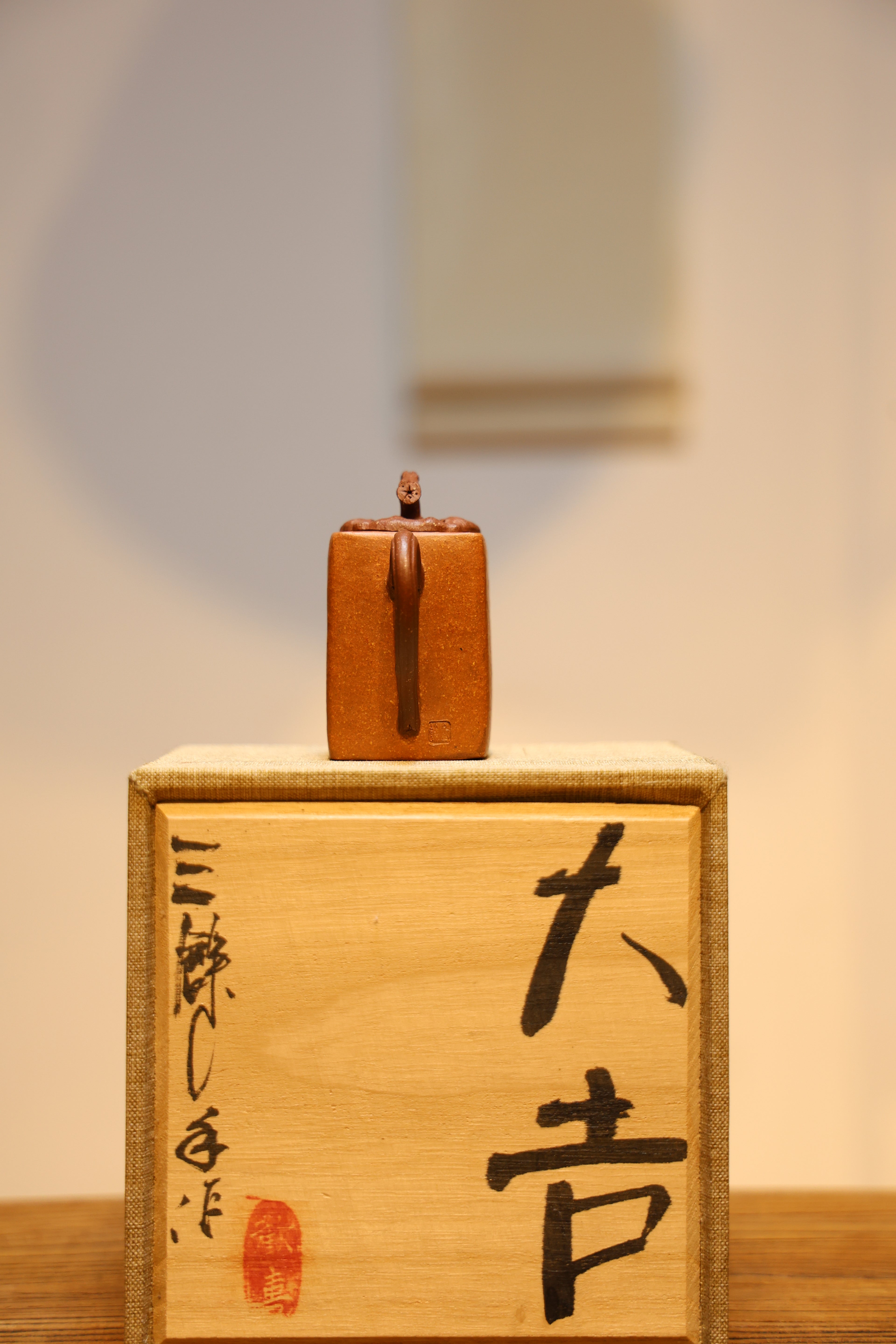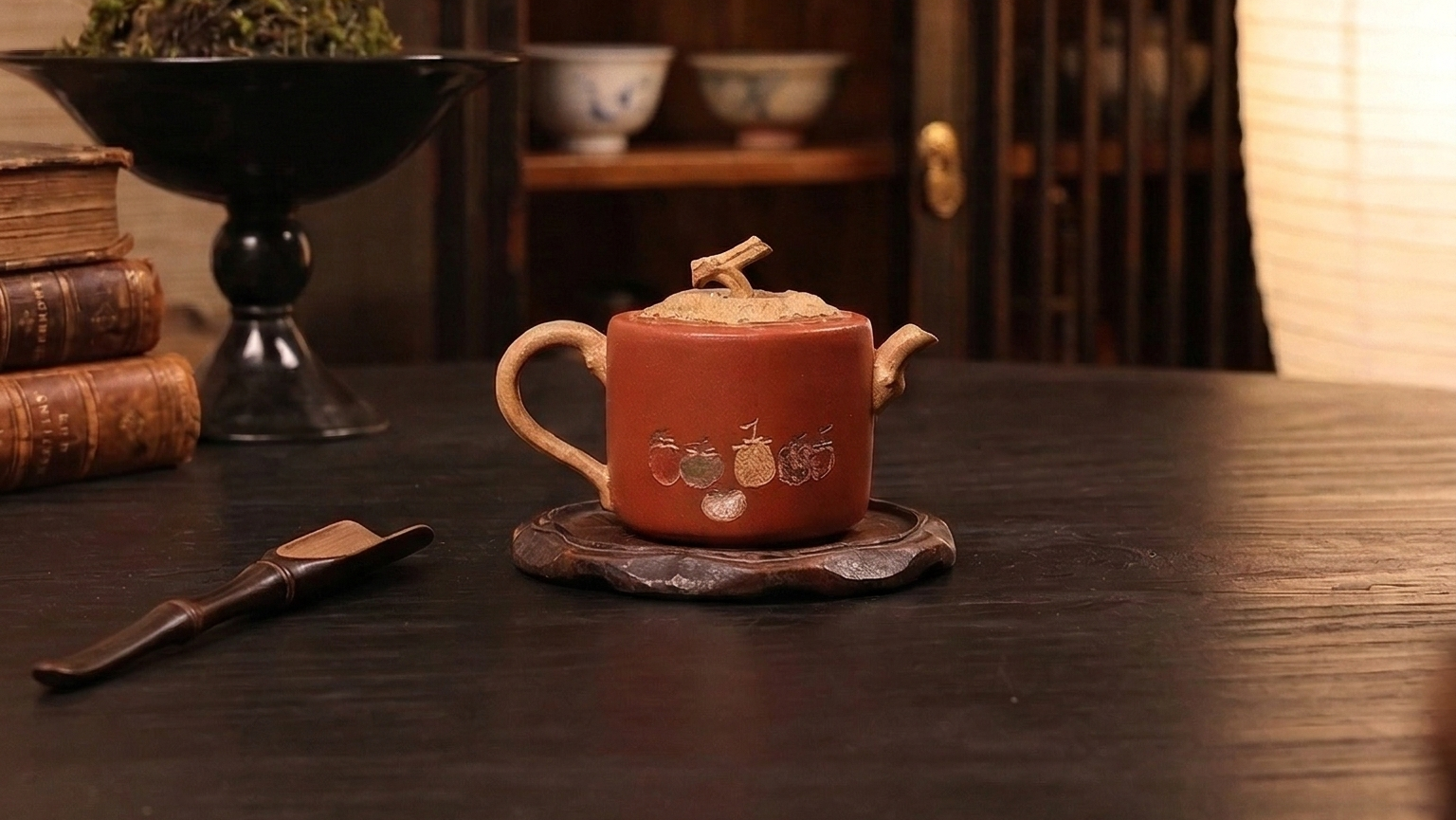
Everlasting background characterizes Eastern ceramic pots alongside timespans,
Representing singular traits derived out of homegrown mauve substances, such flasks accumulate a film after handling, strengthening essence emanated from made liquids.
Acknowledging Yixing Dirt: Extensive Insights into Zisha
Varied devotees value the special grain of Yixing purple clay, a cornerstone of enduring Chinese stoneware. Deriving from the Yixing region of Jiangsu province, this unique clay possesses an detailed mineral configuration, whichever furnishes exceptional qualities to the completed teapots. Kinds within Zisha, including Zhuni Mud, Duan Ni Mud, and Jiang Xi Mud, each offers special complexions, patterns, and hardening traits, affecting the diffusibility and the terminal aroma evolution of the concoction.
Asiatic Vessel Traditions: Understanding Mastery
Mandarin teapots embody surpassing mere pots for infusion; they illustrate centuries of heritage knowledge. From the legendary Yixing clay variations, respected for their open nature which infuses extraordinary accents to the beverage, to the precise porcelain from Jingdezhen, each piece relays a anecdote of commitment. The making process is an elaborate undertaking, often gifted through dynasties of artists. These artisans use time-honored procedures such as hand-building, throwing on wheels, and enhancing, demonstrating profound reverence for the substance and the skill itself. Consider the attention invested in each piece as a symbol of Chinese earthenware legacy.
- Jiangsu pots: a distinguished selection.
- Refined china teapots: known for their fine design.
- Sculpting techniques: a difficult yet fulfilling procedure.
Fine Purple Teapot Protection: Curing Your Valuable Artifact
Fitting upkeep of your distinguished Yixing Zisha jar is essential to prolonging its condition. Crafted from recognizable purple sand soil, these exceptional teapots build a warm patina after utilization, substantially boosting their allure. Withhold washers; a soft rinse with moderate temperature hydrous matter is adequate. Avoid steaming water for purifying the teapot, as it may damage its surface. Allow it to evaporate moisture away from unfiltered sunlight. Consider curing your teapot regularly using excellent tea, especially deep-flavored varieties. Here is a brief outline:
- Wash off with tepid fluid.
- Resist solvents.
- Give it to air dry.
- Break in with superior tea.
Ancestry of Yixing Teapots: Commencement
The story of Yixing teapots starts simply during the Tang dynasty, about the 16th era. Initially, these pots were not the cherished artifacts they are acknowledged nowadays. They were produced by provincial potters using the singular purple clay located solely in the Yixing vicinity. These early items were chiefly utilitarian, purposed for routine function and often plain in appearance. It was not until the later dynasty that they began to earn prestige beyond mere working pieces.
Identifying the Suitable Jiangsu Container: A Novice's Guide
Venturing the arena of Yixing teapots can be discouraging, but refrain from doubting! For beginners, the primary factor is understanding the mud. Legitimate Yixing clay is prized for its breathability, allowing the teapot to retain the tea's taste over time, heightening every extracting session. Ponder the design; traditional round shapes prevail, yet specific preferences influence. Lastly, assess the surface—while some favor an basic appearance, others value a mild gloss. Take your time in the option process—this is an buying in a treasured piece of art.
Traditional Clay Jars and Their Effect on Chinese Potion Practice
Zisha containers, existing from Yixing, China, have profoundly affected ancient Chinese potion culture. Those Yixing clay teapots, prized for their distinctive cast, grain, and exceptional ability to impart a subtle accent to the brew, serve as more than mere devices; they are esteemed treasures and symbols of importance. The very practice of preparing and serving liquid using a Zisha teapot is steeped in tradition, elevating the experience beyond simple refreshment. Sagas of artisans have refined their techniques, passed down through progenies, resulting in highly sought-after pieces. Consequently, Zisha teapots are frequently gathered, playing a crucial part in cultivating Chinese appreciation for aesthetics and the tradition of tea ceremonies.
- Signature Clay Composition
- Conveying Subtle Flavor
- Beautiful Craftsmanship
Establishing Legitimate Special Native Jars
Acquiring a certified Yixing teapot can be a gratifying experience, but the field is often swamped with fakes. Detecting between a legitimate antique and a up-to-date reproduction requires exacting inspection. Key signs include the clay's auburn shade, often displaying tiger skin marks, and the shortage of modern firing imprints. The contour should reveal natural elegance, reflecting the traditional Yixing approach. Finally, checking the potter's seal is fundamental to verify certainty against known archives.
- Assess the clay's surface.
- Look for flaws, indicative of artisan quality.
- Request an consultant for confirmation.
Considering Purple Kettles: A Comprehensive Handbook to Clay Ware Review
The industry of Yixing Zisha wares affords a special option for shrewd enthusiastic followers. More and more, the price of these custom artifacts is determined by diverse components, such as the rank of composition, the dexterity of the potter, the historical significance, and, naturally, the present trade. Newcomers should prioritize on researching the diverse categories of Zisha clay—such as Ice River, Calm Pot, and Red Clay—and Zisha Teapot learning about the features linked to each. Thorough examination of the teapot's shape, color, and badge is correspondingly paramount to make experienced judgments when investing.