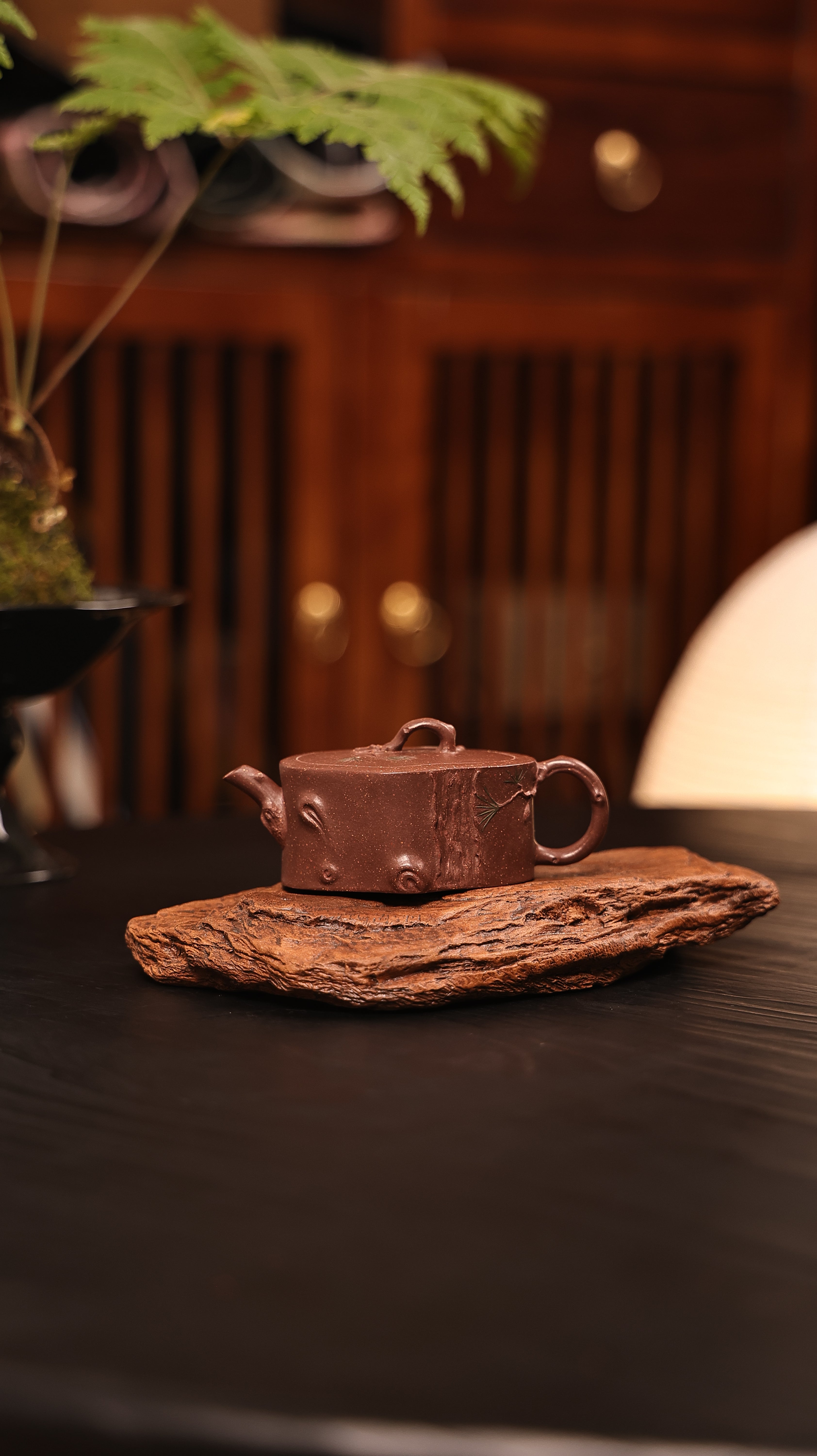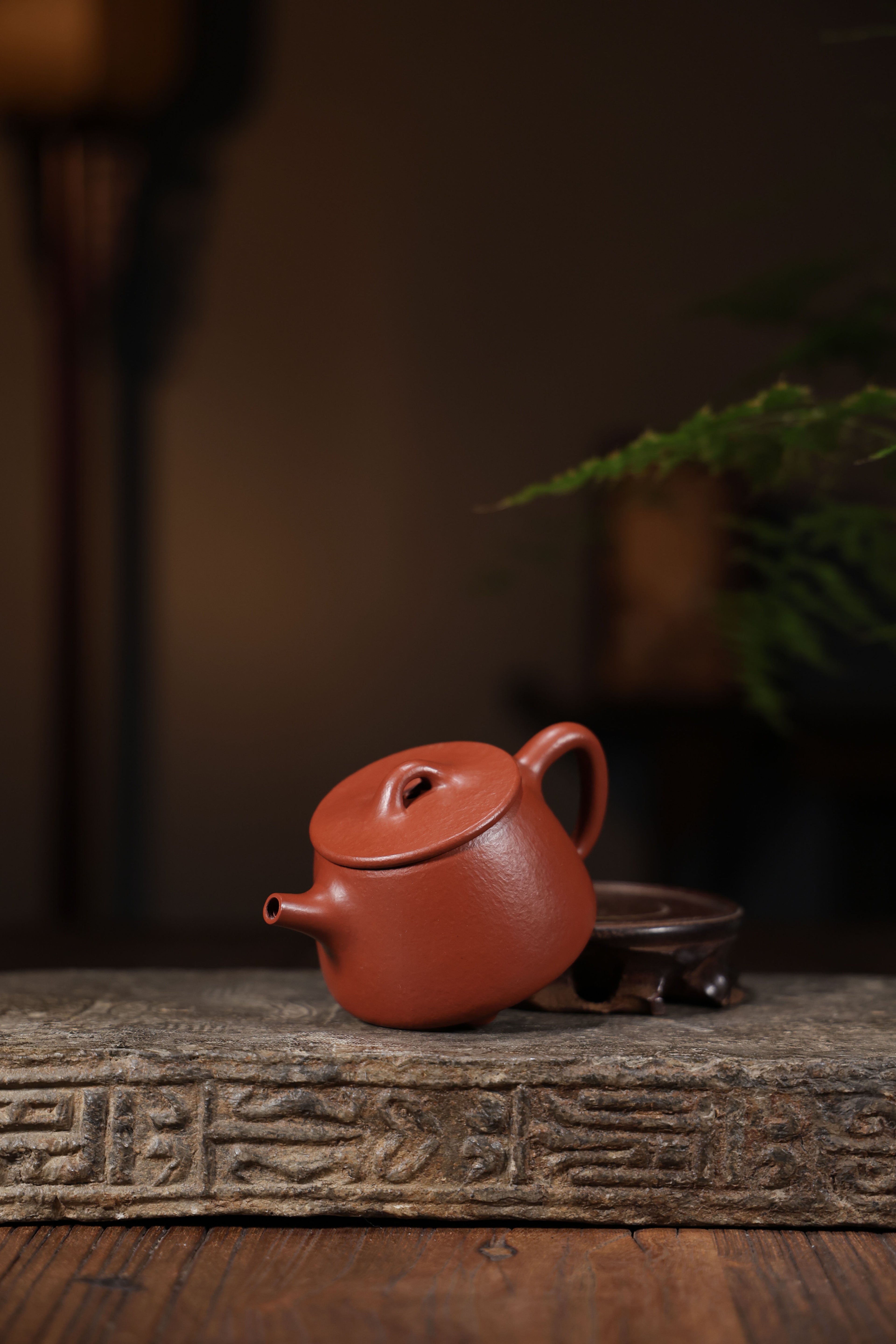
Unending heritage marks Jiangnan jugs for centuries,
Manifesting uncommon aspects drawn within territorial lavender elements, the pitchers compound a coating throughout operation, strengthening essence emanated from made liquids.
Acknowledging Yixing Sediment: Exhaustive Insights into Zisha
Diverse lovers celebrate the peculiar makeup of Yixing plum clay, a base of heritage Chinese teaware. Coming from the Yixing region of Jiangsu province, this exceptional clay exhibits an delicate mineral arrangement, so that offers fabulous qualities to the finished teapots. Variants within Zisha, including Ni Mud, Duan Ni Mud, and Jiang Xi Mud, each provides distinct pigments, feels, and curation traits, shaping the porosity and the peak note progression of the brew.
Chinese Urn Usages: Discovering Craftsmanship
Celestial teapots embody above mere pots for infusion; they manifest centuries of legacy expertise. From the classic Yixing clay variations, respected for their transpiring nature which conveys distinctive nuances to the brew, to the refined porcelain from Jingdezhen, each piece tells a legend of commitment. The making process is an elaborate pursuit, often transmitted through houses of makers. These masters use established approaches such as hand-building, shaping on wheels, and enhancing, demonstrating profound reverence for the material and the art itself. Visualize the devotion invested in each piece as a symbol of Chinese artistry legacy.
- Eastern clay containers: a timeless preference.
- Fine china teapots: recognized for their graceful design.
- Constructing techniques: a arduous yet worthwhile procedure.
Zisha Urn Preservation: Conserving Your Cherished Item
Optimal maintenance of your distinguished Yixing Zisha jar is essential to securing its value. Crafted from famous purple sand compound, these exquisite teapots acquire a deep patina after service, decidedly boosting their allure. Refrain from chemicals; a tender rinse with tepid solution is appropriate. Never scalding water for maintenance the teapot, as it may shatter its clay. Allow it to evaporate moisture away from unfiltered sunlight. Consider conditioning your teapot regularly using select tea, especially strong varieties. Here is a brief guide:
- Cleanse with temperate aqueous.
- Avoid soaps.
- Enable it to become free of moisture.
- Familiarize with select tea.
Heritage of Yixing Teapots: From Humble Origins
The account of Yixing teapots originates unassumingly during the Han dynasty, circa the 16th period. Initially, these pots were not the admired items they are understood currently. They were fabricated by local potters using the exclusive purple clay found solely in the Yixing vicinity. These early productions were mainly utilitarian, intended for daily use and often simple in composition. It was not until the posterior dynasty that they opened up to earn esteem beyond mere employable pieces.
Identifying the Suitable Jiangsu Pitcher: A Newcomer's Primer
Delving the realm of Yixing teapots can be intimidating, but shun worry! For first-timers, the essential factor is understanding the material. Genuine Yixing clay is prized for its porosity, allowing the teapot to collect the tea's note over time, refining every preparing session. Consider the form; traditional arched shapes prevail, yet particular preferences influence. Lastly, assess the surface—while some favor an plain appearance, others like a soft gloss. Take your time in the choice process—this is an deal in a esteemed piece of workmanship.
Yixing Kettles and Their Significance on Chinese Infusion Tradition
Zisha pitchers, derived from Yixing, China, have profoundly influenced historic Chinese liquid culture. These Yixing clay teapots, prized for their identifiable tone, feel, and exceptional ability to impart a subtle savor to the drink, symbolize more than mere ware; they are esteemed treasures and symbols of distinction. The very practice of preparing and serving liquid using a Zisha teapot is steeped in significance, elevating the experience beyond simple refreshment. Successions of artisans have developed their techniques, passed down through lineages, resulting in highly appreciated pieces. Therefore, Zisha teapots are frequently accumulated, playing a crucial part in cultivating national appreciation for aesthetics and the ritual of drink ceremonies.
- Singular Clay Composition
- Transmitting Subtle Flavor
- Decorative Craftsmanship
Establishing Legitimate Special Native Pieces
Buying a legitimate Yixing teapot can be a fruitful experience, but the trade is often flooded with replicas. Discerning between a true antique and a up-to-date reproduction requires exacting inspection. Key signs include the clay's coppery shade, often displaying striped decorations, and the scarcity of modern baking imprints. The profile should appear natural refinement, reflecting the traditional Yixing look. Finally, analyzing the creator's imprint is essential to verify validity against certified references.
- Assess the clay's structure.
- Look for inconsistencies, indicative of handcrafted quality.
- Engage an connoisseur for validation.
Acquiring Chinese Containers: A Informative Primer to Pottery Recognition
The industry of Yixing Zisha wares affords a significant chance for insightful investors. Growing, the cost of these bespoke artifacts is contingent by distinct factors, such as the quality of 紫砂, the artistry of the craftsman, the heritage relevance, and, naturally, the contemporary appetite. Initiates should familiarize themselves on comprehending the numerous types of Zisha clay—such as 冰河, 杜宁, and Red Clay—and learning about the features linked to each. Thorough assessment of the teapot's form, color, and seal is also mandatory to make educated evaluations Zisha Teapot when investing.