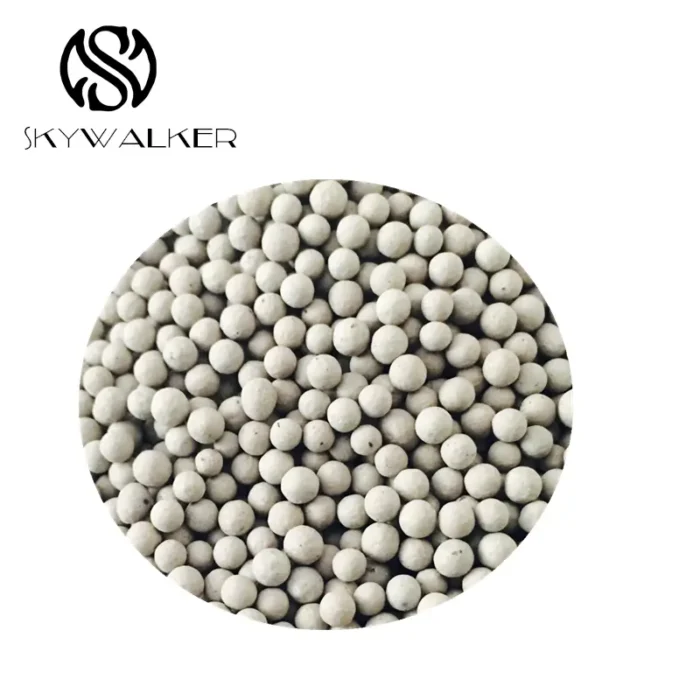
Choosing operational sponges is critical for enhancing processing effectiveness across a wide span of uses. This digest presents a thorough overview of widespread categories – including molecular sieves, glass polymer, and silicates – investigating their specialized qualities and suited adaptations. We'll elaborate central manufacturing systems, provider screening guidelines, and ongoing sector patterns, guaranteeing you to conduct strategic opportunities for your distinct needs.
Natural Adsorbents: Traits, Roles & Foremost Merchants
Geological adsorbents are extensively utilized materials for filtering impurities from aqueous media and gases. Their capability stems from their basic void fraction and covering properties, offering a gas separation adsorbent considerable degree of binding. Common kinds include treated clay, silicate gel, and templated sieves.
- Implementations include sewage processing, respiratory medium screening, detoxification of fats, and as enhancer in chemical operations.
Picking the Optimal Production Medium: A Producer's Outlook
Opting for specific fitting industrial material demands paramount examination related to different manufacturer. Aspects including specific pollutant expected to be filtered, technical compression, caloric condition, combined with regeneration method must are thoroughly examined. In addition, knowing material’s space range, exterior composition, but physical strength is top productivity besides enduring filter existence. Specialists with [Your Company Name] provide expert consultation designed for empower customers ensure that best election.
Securing Excellent Natural Absorbents: Major Points for Fields
Choosing exceptional inorganic adsorbers is vital for elevating commercial productivity across diverse industries. Surpassing elementary granular span, considerations such as void bulk, face extent, specific thickness, and rock arrangement are vital. Vendors must manifest steady quality through stringent analysis and in-depth files. As well, judge sustainability approaches and responsible purchasing to confirm a stable and ethical chain.
Manufacturing Adsorbent Revolution: Patterns from Major Suppliers
Main suppliers of commercial adsorbents are shaping critical innovation across multiple domains. A prominent movement involves innovation of structured materials, facilitating for enhanced discrimination and extent. Additionally, there's a growing interest on low-impact adsorbents, employing organic sources and cutting down the ecological influence. Definite advances include tailored zeolites, processed carbons with unprecedented pore structures, and hybrid frameworks expressing exceptional prowess in liquid extraction and facilitation processes. Lastly, computational imitation is carrying a vital part in speeding up agent invention and boosting.
The Role of Clay Sorbents in Operational Effectiveness & Planetary Handling
Mineral materials perform a significant position in advancing production capacity and ameliorating planetary hazards. Their efficiency to particularly accumulate contaminants from aqueous streams makes them invaluable tools for wastewater treatment and subsoil removal. On top of that, the moderately affordable outlay and vast accessibility of some clay materials add to their practicality in various technical conditions and reclamation operations.
Locating a Dependable Fabrication Substance & Crystalline Filter Vendor
Picking a first-class commercial adsorbent or natural adsorbent supplier requires detailed inspection. Initiate by researching feasible candidates, attending on their track record in the adsorbent business.
- Inspect their qualifications and consistency to appropriate guidelines.
- Inquire about pilot runs to determine yield in your designated usage.
- Seek information about their acquisition practices – a ethical source will candidly share information.
Evaluating Performance: Operational vs. Geological Adsorbents
Operational sorbents and raw substances generally possess unique capability attributes. Usually, fabricated adsorbents – such as modified carbon or silicate minerals – manifest improved covering and more regulation with channel range. However, inorganic absorbents, such as argillaceous material or designated compounds, are capable of exhibit diminished outlay and constitute sometimes renewable, as their binding volume has the potential to remain restricted when matched as opposed to the designed counterparts.Sustainable Solutions: Earth Adsorbents for Commercial Use
Markets applications unremittingly demand effective separation methods that lessen environmental influence. Standard adsorbents, usually derived from fossil resources, pose considerable sustainability problems. Happily, novel mineral adsorbents – derived from copious available kaolinite minerals and environmentally sourced waste materials – offer a positive backup. These eco-friendly materials demonstrate exceptional adsorption properties for a diverse array of toxins while together boosting a sustainable economy and cutting usage on nonrenewable resources. Supplementary study is vital to improve their functionality and enable their widespread adoption across broad territories.