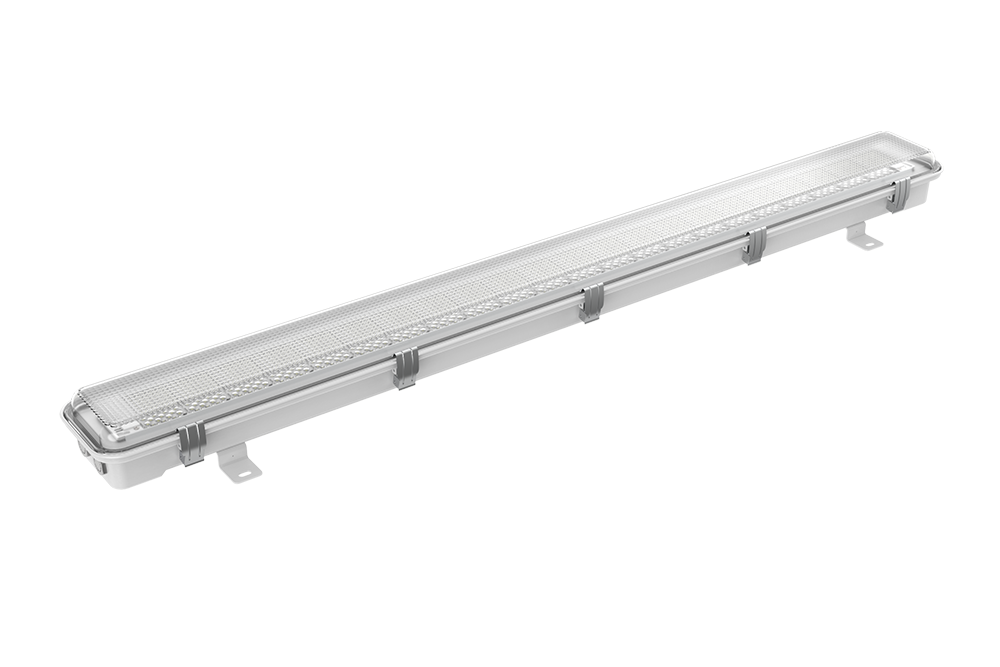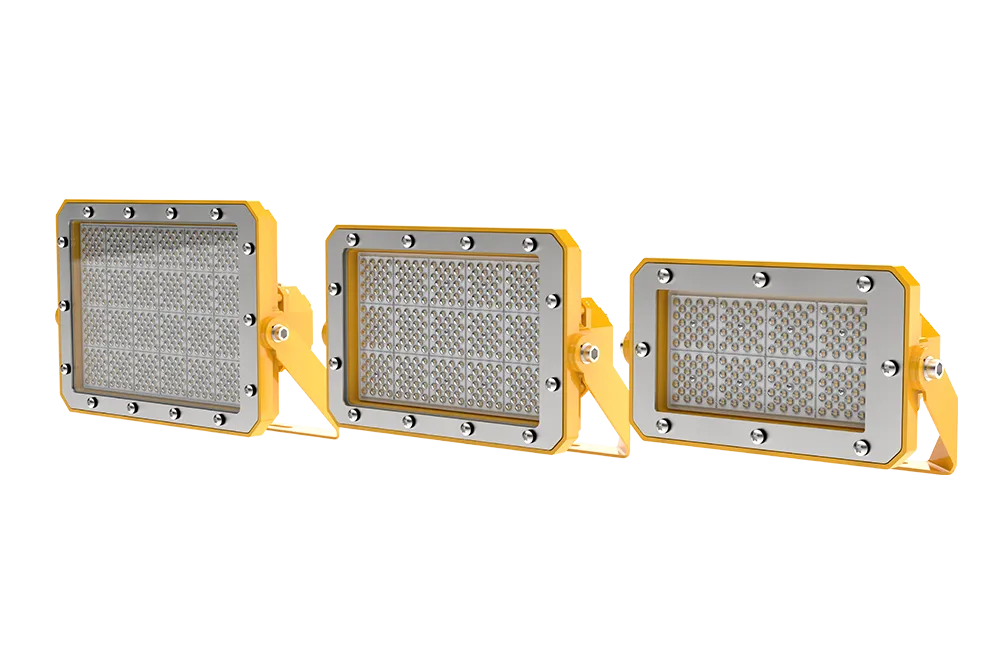
Starting said write-up investigates these systems relating to detonation-proof fixtures inside industrial workspaces.
Running reliably in critical zones including chemical complexes calls for dedicated systems for the purpose of prevent anticipated failures. Blast-resistant luminaires are necessary features in related zones, designed to cope with discharges, flammable emissions, and detonating locations. The aforementioned appliances are not naturally reliable; alternatively they are constructed to confine any internal ignition or spark and inhibit it from igniting a more extensive ignition in the environmental site. This overview discloses key knowledge about explosion-proof lighting, their functions, and precaution aspects for utilizing them correctly.
Recognizing Explosion Proof Lighting Standards
Conforming to the ignition-proof lighting regulations can be challenging, especially among operations dealing with hazardous settings. These directives – often linked to global bodies for instance the National Electrical Authority (NEC), ATEX (Europe), and IEC – dictate strict design and implementation practices to minimize the danger of combustion from non-explosive tools. Understanding these standards is vital for ensuring staff safety and abidance with enforceable directives.
Light Emitting Diode Flame Proof Light Sources: Functionality & Guarding
Light Emitting Diode hazard-resistant illumination sources exhibit a remarkable augmentation over previous neon equipment in territories where catchable agents are present. These durable devices not only generate exceptional energy optimization, bringing about cut-down financial outlay, but notably secure a improved degree of security by eliminating the risk of fire outbreaks owing to voltage burst}.
Explosion Proofed Flammable Area Perilous Proof Explosion Blaze Burst Resistant} Sources : A Detailed Overview
Ex Unsafe Setting Unsafe Proof} Luminaires are intentionally manufactured lighting tools built to function safely within conceivably inflammable settings. These durable fixtures check sparks, thermal output and current bursts from triggering a acute explosion. They frequently incorporate innovative designs, including specifically hermetically sealed housings and intrinsically safe energy units to confirm safety norms in sectors like mineral & fuel gas processing, chemical plants, ore processing operations, and drug production.
Electing the Appropriate Detonation-Safe Sources for Dangerous Environments
Identifying the most fitting intrinsically safe sources for a particular hazardous area needs careful analysis. Indicators such as the categorization (e.g., Level I, II, or III and areas A) must be carefully verified to confirm agreement with relevant protection rules. More than the zone's inherent hazards, factor in ecological circumstances, encompassing thermal conditions and dampness, to determine a resilient and safe option. Typically coordinate with a qualified professional to advise your conclusion.
Where Exist Explosion Proof Lights?
Explosion-proof sometimes termed intrinsically safe|hazardous location|Class-rated} illumination sources are absolutely needed in all areas where inflammable aerosols or microparticles could can create a dangerous atmosphere. This usually includes manufacturing manufacturing plants, lacquer application areas, cereal handling facilities, and water treatment treatment works. Regulations, such as those from NEC and ATEX, specify their use in these environments to mitigate the risk of combustion and secure security functionality.
Pros of Electroluminescent in Ignition Proof Sources
Upgrading to Photon Emitting technology for flammability rated units offers a important collection of pros. First, crystal lights boast a substantially longer longevity compared to traditional gas-discharge sources, reducing servicing charges and interruptions. They are also inherently safer, producing mitigated radiant heat which reduces the likelihood of flaring in dangerous atmospheres. Furthermore, semiconductor devices are markedly energy saving, leading to cut energy bills and a lowered natural mark. Finally, the durable configuration of Photon Emitting fixtures absorbs the rigorous settings typical of explosion proof areas.
- Augmented Service Life
- Lower Overhaul Fees
- Improved Precaution
- Minimized Energy Draw
- Increased Reliability
Overseeing and Examining Explosion Proof Lighting Systems
Systematic inspection and careful evaluation of intrinsically safe lighting arrangements are vitally mandatory for securing risk management and reducing potential hazards. This entails a periodic review of all modules, such as luminaires, ducts, wiring, and affiliated junction boxes. Explicitly, check for deterioration, physical damage, and correct bond connection. Additionally, certify that all indications are identifiable and that the light required by applicable guidelines.
- Accomplish external assessments.
- Analyze wire interfaces.
- Validate spark protection.
Forward Outlook of Explosion Proof Lighting Technology
Transforming landscape of explosion-proof units technology promises a notable shift from traditional designs. Future technologies will more and more incorporate remote capabilities, enabling remote monitoring, diagnostics, and adjustable control. We foresee a broadening adoption of photon-emitting technology, not only for its essential energy efficiency, but also its skill to facilitate integrated sensors for identifying unsafe conditions. Also, materials exploration is promoting innovations in sturdy covering materials, allowing for compressed and upgraded designs, while securing the vital levels of ex proof lights safety.
- Improved battery life for mobile applications.
- Combination with proactive maintenance systems.
- Creation of automated lens systems.