Commencing every wide-ranging analysis with respect to cutting-edge systems integration solutions.
Silicone elastomer tactile switches serve as a sturdy and variable remedy for device integrations across a multitude of markets. The blueprint typically involves forming liquid silicone rubber into a made-to-order shape, enabling for elaborate geometries and integrated features. Main strengths include impressive heat endurance, weather hardiness, and a tactile contact under finger pressure. Functions are diverse, from automotive switches and health-related systems to process monitoring stations and even domestic electronics. Their capability to bear tough milieus and deliver stable performance makes them a desired solution for many designers.
Made-to-order membrane interfaces: Personalizing device touchpads for device hardware
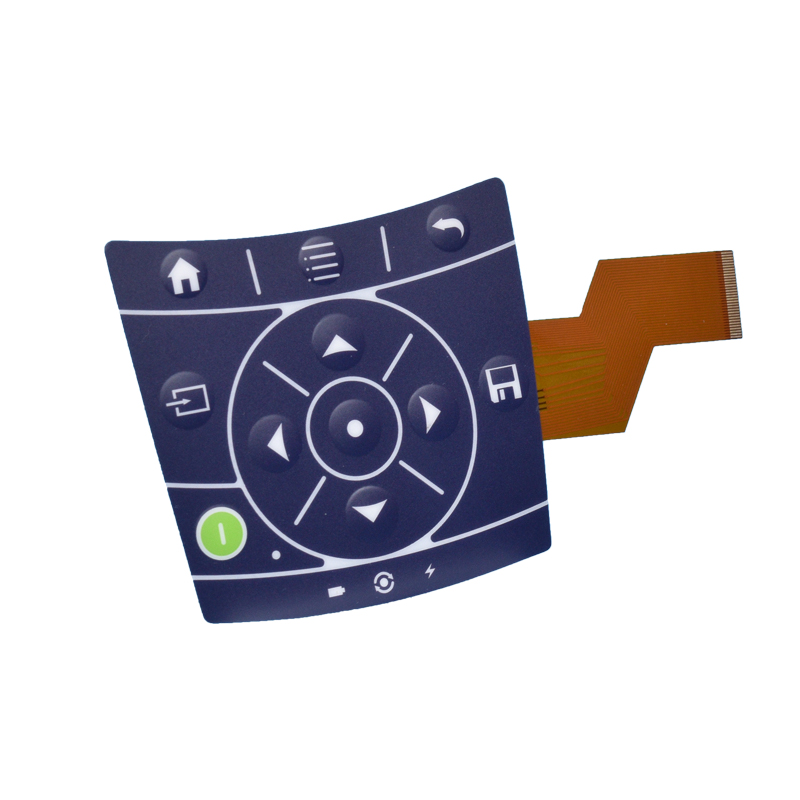
Create control systems offer distinct exclusive solution for improving the operation of device's items. As opposed to ordinary offers, specially designed membrane designs permit accurate command of essential features. Such modification covers tactile layers, highlights, and embedded components, providing an user-friendly also reliable user experience.
Graphic overlays: Enhancing aesthetics and functionality in system fabrication
Progressive equipment fabrication increasingly depends on graphic overlays to achieve a refined balance between visual impact and practicality. These sheets, often developed using durable ingredients like polycarbonate or PMMA, can act as both a barrier and a display mechanism. These panels allow for the integration of refined pictograms, indicators, and even interactive elements. This practice not only boosts the overall impression of the equipment, but also dramatically raises its ease of use.
- They can improve usage.
- Graphic overlays curtail the risk of confusion.
- Customization routes are wide.
Flexible printed circuits: The might behind adaptable systems in devices
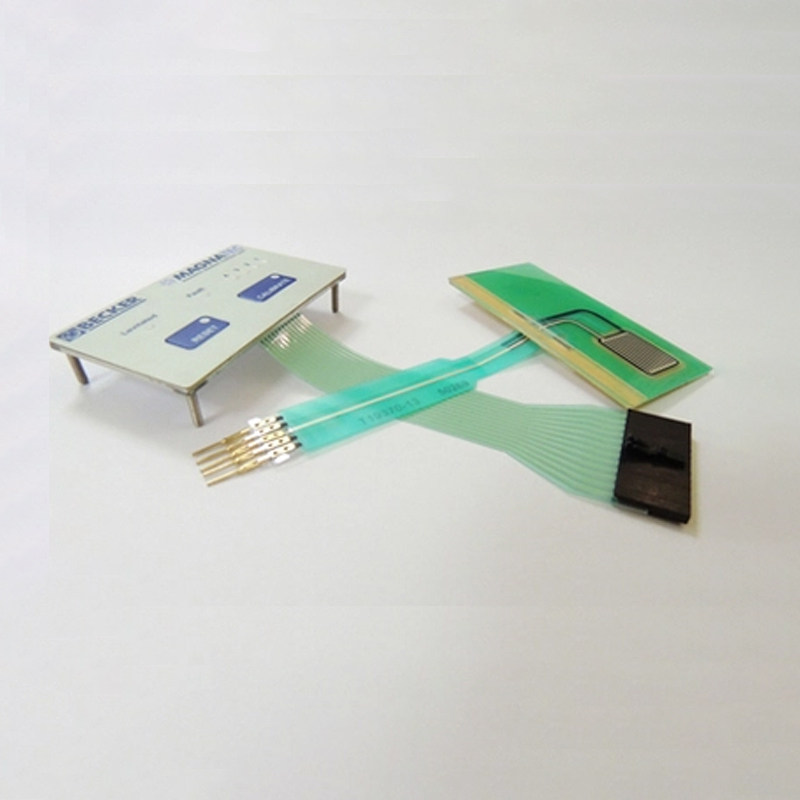
Supple circuit circuits (FPC) are the necessary element FPC circuit on equipment promoting the expansion of elastic systems in leading fields. Those particular delicate networks deliver advanced capabilities in relation to rigid fixed circuits, empowering planners to produce pioneering items like body-worn tech, treatment sensors, and developed displays that need exact form parameters.Silicone button interfaces versus membrane control layers: Identifying the most effective method
Picking fitting panel technology requires meticulous examination of exclusive use criteria. Silicone polymer keypads afford superior feedback, endurance, and ecological withstanding – making them appropriate for extreme surroundings. In distinction, membrane pads generally constitute a economical choice, chiefly for major manufacturing runs. However, membrane panels might undergo from lessened touch and curtailed operating life, subject to the rank of constituents implemented.
- Silicone: More effective tactile perception.
- Membrane: Budget-friendly investment.
Specialized Creative Covers for Product Identity and Ruggedness
Elevate your product's appeal and ensure lasting protection with custom graphic overlays. These one-of-a-kind additions primarily enhance branding impact but also furnish a protection of hardiness against damage. Contemplate using custom imagery, trademarks and copy to build a memorable brand stance while defending your products’ finish.
Merging Conformable Circuit Boards: Tiny Components for Superior Functionality
Integrating thin printed system (FPC) traces represents a key advance in leading technologies, allowing spectacular shrinking and increased output. The said compact constituents deliver a important upside in sectors extending from handheld gadgets to medical appliances. Moreover, FPC model facilitates for refined associations and dense paths, leading in contracted dimensions and refined transmission consistency. Reflect the scope for cutting-edge gadgets capitalizing on the unique traits of FPC platforms.
- FPC supporting device downsizing.
- Advantages across diverse fields.
- Flexible models and strong electrical quality.
Robust control keys: Maintaining operations in challenging atmospheres
Industrial control pads and switches are essentially important for safeguarding reliable operation of systems in rigorous environments. Specified elements frequently deal with unforgiving temperatures, oscillation, liquid presence, and harmful substances, making robustness a main feature. Because of this, producers create command strategies using superior compounds like durable metallic substances and integrate enclosed designs to endure these demanding tests and retain efficiency.
Membrane panel and rubber tactile technologies: Total interface technology survey
Constructing robust and user-friendly equipment interfaces involves careful consideration of various components; membrane switch and silicone rubber solutions consistently prove to be invaluable. Interface technologies offer durable, sealed options for control panels and displays, furnishing reliable operation even in harsh environments. The scheme flexibility allows for custom graphics and intuitive functionality, amalgamating aesthetics with performance. Silicone rubber, meanwhile, presents exceptional advantages for caps, buttons, and even complete housings. Its inherent resistance to temperature extremes, chemicals, and UV degradation guarantees longevity and reduces maintenance requirements. A complete equipment interface strategy frequently incorporates both membrane switches and silicone rubber, addressing needs ranging from simple on/off actions to complex multi-function operations. Considerations should include tactile feedback, luminescence options, and overall endurance for optimal user experience and equipment safety.
- Membrane switch types : Display
- Silicone rubber applications : Actuators
- Operational principles